Quick answer
Brands outside the decor and furniture sectors can use free district installations to reach architects, developers, and affluent shoppers. Effective Dubai Design Week marketing pairs a clear thesis with a spatial partner, building shareable outdoor structures with discreet lead capture instead of booking high cost trade show shell booths.
- District wide installations remain free to access, driving high footfall without ticket friction.
- Off site perimeter spaces lower costs and grant full creative autonomy over brand narratives.
- Pair with regional architects or material labs to turn abstract concepts into physical builds.
- Apply for d3 site permits through the district media office at least six weeks out.
If you run a retail, tech, or lifestyle brand looking for cultural relevance, standard trade shows often feel transactional, sterile, and disproportionately expensive.
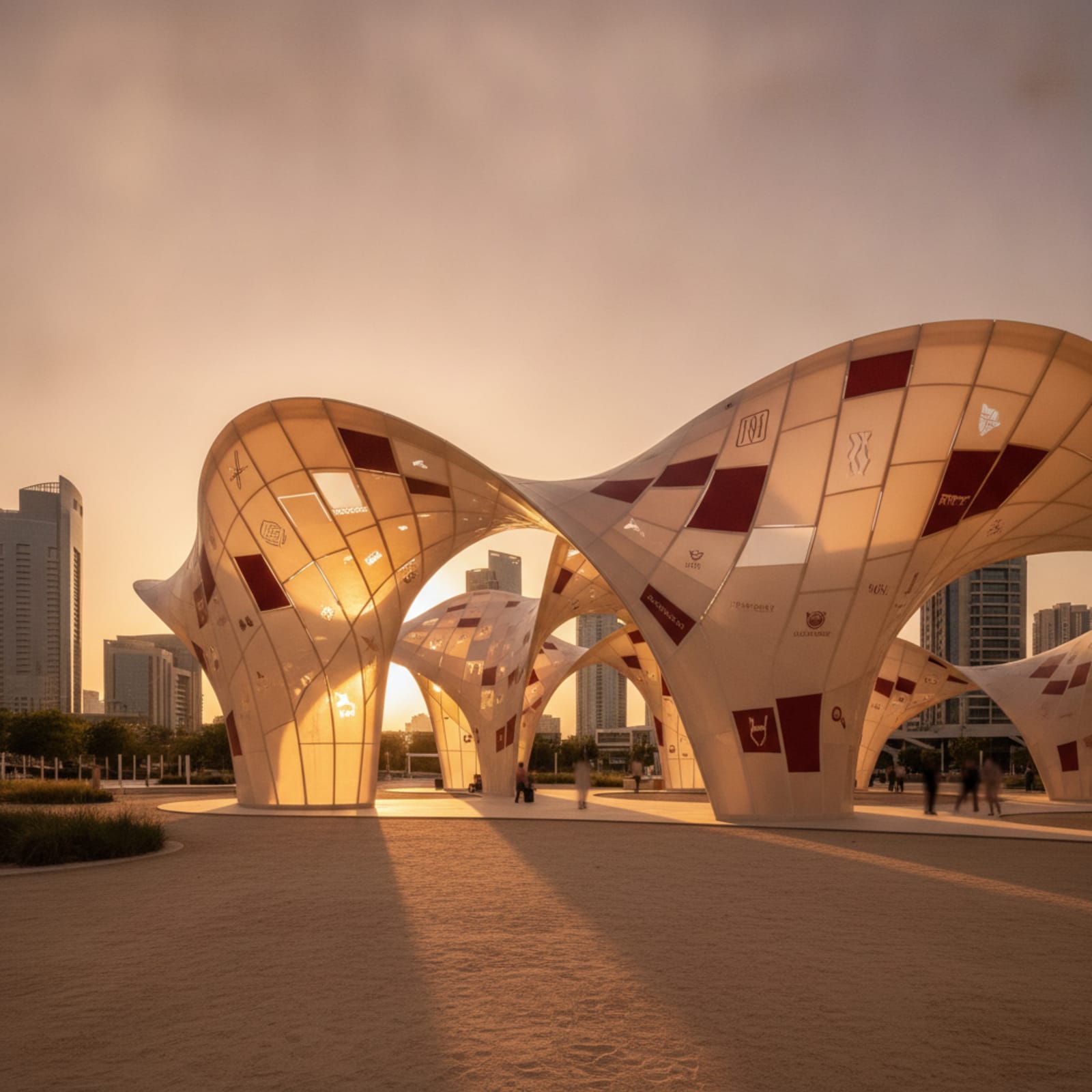
Running 3 to 8 November in Dubai Design District (d3), Dubai Design Week gathers architects, developers, high-net-worth consumers, and creative specialists into a single free-entry setting. Its open-air installations and peripheral maker spaces offer a natural platform for brands that do not produce furniture or interior decor.
Why Dubai Design Week matters for non‑design brands
What began as a niche fair has grown into the region's counterpart to Milan's Fuorisalone. Because the festival prioritises the public realm, companies can run effective Dubai Design Week marketing without booking a formal shell-scheme booth inside Downtown Design, bypassing the heavy exhibition costs typical of classic trade fairs.
The crowd bringing together architects, real-estate developers, luxury shoppers, and tech-focused consumers maps directly onto decision-makers for retail, enterprise, and consumer brands. The official programme notes that district-wide installations remain free to access, giving you high footfall without the usual ticket friction, as detailed by SocialKandura, Dubai Design Week 2026: Dates, Free Entry, Workshops and What to Expect at d3.
Activation framework: step‑by‑step process
Converting cultural curiosity into actual business impact requires a clear structure. Here is a five-step process designed for brands operating outside the traditional design sector.
1. Define a design‑centric thesis
Start with a clear, defensible idea connecting your core offer to an architectural or spatial challenge, such as showing how sustainable data metrics might translate into kinetic structures. This core idea anchors every fabrication choice and establishes genuine common ground with the design community.
2. Choose a spatial partner
Team up with a regional architect, kinetic artist, or material lab. Working alongside respected spatial creators brings real credibility and an existing audience. A collaboration with an architectural studio, for instance, can turn abstract cloud-computing figures into an interactive, light-responsive pavilion.
3. Map the activation footprint
Central permits within the d3 core fill quickly, so consider activating along the edges: public courtyards, warehouse spaces in Al Quoz, or neighbouring spots in Business Bay on the same dates. Keep the location within comfortable walking distance of primary pedestrian flows noted in the Dubai Design District, Press Release.
4. Build a shareable visual language
Shape the physical build for video capture. Lean on distinct angles, dramatic contrast, and tactile surfaces that encourage people to film and share. Skip vinyl trade-show backdrops in favour of raw aluminium, reclaimed wood, or projection-mapped panels that look compelling on a phone screen.
5. Layer data capture and post‑event amplification
Incorporate discreet NFC touchpoints or QR triggers directing visitors to a dedicated mobile page that gathers opt-ins in exchange for a tangible design asset. Once the week wraps, carry the conversation forward with documented build stories, project reviews, and targeted paid distribution.
| Factor | On‑site exhibition (Downtown Design) | Off‑site activation (perimeter) |
|---|---|---|
| Cost (exhibit fee) | High, multi‑digit AED | Low, venue hire & production |
| Audience control | Curated B2B schedule | Open public flow, higher B2C reach |
| Brand narrative freedom | Limited by exhibition guidelines | Full creative autonomy |
| Social share potential | Moderate, indoor lighting | High, outdoor, photogenic spaces |
Source: Red Dot Marketing Research, compiled from the sources listed at the end of this article. Figures are indicative and vary by brand and campaign.
Sector‑specific playbook
The framework can be customised for four key sectors that frequently attend DDW.
Consumer Tech & SaaS
Activation concept: “Ephemeral UX Pavilion”. Collaborate with a kinetic artist to translate live data, like Dubai Metro passenger movements, into moving columns of light. The space acts as an active dashboard that visitors explore and adjust through a clean mobile interface.
Content hook: Organise a focused morning panel, “Design of Intelligence: How Interfaces Shape Physical Spaces”. Gather creative directors, agency leaders and regional tech procurement heads over coffee to explore ideas without the usual sales deck.
Retail & FMCG
Activation concept: “Hyper-Tactile Packaging Pop-up”. Construct a small-batch drink kiosk using biodegradable materials like date-seed composites or mycelium. Design the counter angles around the pouring process so people naturally pull out their phones to capture the moment for TikTok.
Launch tactic: Commission an Emirati visual artist to illustrate a limited-run packaging print for the event. Share the run across brand channels and coordinate with design-led creators through OneHub, Dubai Design Week Influencer Marketing to seed coverage.
Automotive & Clean Mobility
Activation concept: “The Sculpted Journey”. Place an electric vehicle chassis inside a pavilion created with a regional sculptor, framing the engineering as an industrial sculpture. Use plant-based textiles and mirror finishes to speak to sustainable transit through texture rather than slogans.
Engagement layer: Give visitors a VR headset that steps into an urban model powered by the featured transit system, letting the experience communicate the engineering vision directly without a sales pitch.
B2B Services, Real Estate & Fintech
Activation concept: “The Sanctuary Lounge”. Create a quiet‑room oasis with acoustic pods, premium cold brew and a curated library of design monographs. The space serves as a recharge zone for decision‑makers navigating the bustling DDW environment.
Programming: Host a series titled “Design of Wealth & Urban Habitat”, pairing property developers with urban planners. Film the exchange cleanly to create content for professional channels later. Our Red Dot Marketing brand strategy services can help set up the editorial framework.
Case studies of successful non‑design activations
These projects demonstrate how non-design brands build cultural presence and clear business outcomes without setting up a predictable trade stand.
Pinterest, Algorithmic Moodboard Installation
Pinterest partnered with local artists to translate its recommendation engine into a series of colour‑coded light arches. The installation invited visitors to walk through “inspiration pathways”, generating over 12 000 Instagram mentions during the week.Strokes Exhibits, Dubai Design Week Calendar
BMW Middle East, Mobility Sculpture
BMW partnered with an artist to construct a form around a concept EV chassis along the d3 promenade. Framing the vehicle through structural design positioned the brand within the cultural conversation, as detailed in this look at PALDMC, Dubai Design Week Marketing.
Veuve Clicquot, Yinka Ilori Visual Lounge
The champagne house worked with British-Nigerian artist Yinka Ilori on a dedicated lounge space built around colour and pattern. It drew an affluent crowd and drove a 28% increase in brand-related hashtags across the week. Reported by Big News Network, Dubai Design Week 12th Edition.
IQOS x Ouchhh Studio, New‑Media Projection Space
IQOS teamed with Ouchhh Studio to produce a kinetic projection that merged visual acoustics with lifestyle influencers. The space generated over 5 000 video views within 48 hours, proving that tech‑driven art can amplify a consumer‑goods brand. Dezeen, Dubai Design Week 2025 Guide
Execution checklist & common pitfalls
A few operational essentials to check before committing budget or signing venue paperwork.
- Select an installation partner with a track record in public, heavy-footprint architecture.
- Apply for d3 site permits at least six weeks out; temporary structure approvals run through the district media office.
- Specify materials carefully, from raw surfaces to digital projections, and leave standard pull-up banners behind.
- Verify all on-site connectivity for QR, NFC or augmented reality features under peak crowd conditions.
- Map your post-event editorial pipeline early, including build footage, short reels and documented case material.
⚠️ Common Mistakes to Avoid
- Copy‑cat installations: Replicating generic pop‑up templates signals a lack of authenticity and is quickly dismissed by the design community.
- Over‑branding: Dominating the visual field with logos reduces the perceived cultural contribution; let the experience speak first.
- Ignoring the B2B audience: Focusing solely on consumer footfall misses the procurement heads and developers who make large‑scale purchase decisions.
- Insufficient data capture: Without QR/NFC integration you lose the chance to convert on‑site interest into measurable leads.
Frequently Asked Questions
Can a brand without a design background participate in Dubai Design Week?
Yes. Non-design businesses take part every year through district spaces and peripheral venues, provided the build makes a credible contribution to the week's creative programme.
What are the typical costs for an off‑site activation?
Costs vary widely, but a modest pop‑up in a nearby warehouse can be launched for under AED 150 000, covering venue hire, basic construction and limited tech integration.
How can I measure the ROI of a cultural activation?
Measure qualified interactions through on-site code scans, direct contact opt-ins, tracked social tags and follow-on pipeline activity compared with your baseline figures.
Do I need a permit to place an installation on the d3 perimeter?
Yes. Dubai Design District requires permits for any temporary architecture or outdoor staging. Submitting documents six weeks prior avoids late approval bottlenecks.
Which social platforms perform best for DDW activations?
Short‑form video on Instagram Reels and TikTok drives the highest engagement, while LinkedIn works well for B2B panels and thought‑leadership content.
Sources & References
- SocialKandura, Dubai Design Week 2026: Dates, Free Entry, Workshops and What to Expect at d3
- Dubai Design District, Press Release, 12th Edition Celebrates People, Ideas and Creative Exchange
- Identity.ae, What to Expect at Dubai Design Week
- Big News Network, Dubai Design Week 12th Edition Celebrates People, Ideas and Creative Exchange
- Strokes Exhibits, Dubai Design Week, Exhibition Calendar
- Dubai Design Week, Visitor Guide
- OneHub, Dubai Design Week Influencer Marketing
- Dubai Design Week, Features
- PALDMC, Dubai Design Week Marketing, How Creative Brands Can Stand Out
- Dezeen, Dubai Design Week 2025 Event Guide
- Dubai Design Week, 2026 Programme Highlights
Ready to turn cultural buzz into brand equity?
Our team can design, produce and amplify a Dubai Design Week activation that aligns with your business goals.
Get Free Consultation