Quick answer
Museum marketing differs from standard retail because cultural venues combine education, heritage, and entertainment. Instead of relying on a simple sales pitch, cultural spaces focus on community value, physical interactive setups, and shared social responsibilities like sustainability to build direct connections with their visitors.
- Museum spaces prioritize educational purpose, heritage, and community value over sales pitches.
- Experiential setups allow visitors to interact physically with a brand and its values.
- Highlighting sustainability and responsible methods connects directly with conscious audiences.
- Teaming up with respected cultural institutions gives your message credibility.
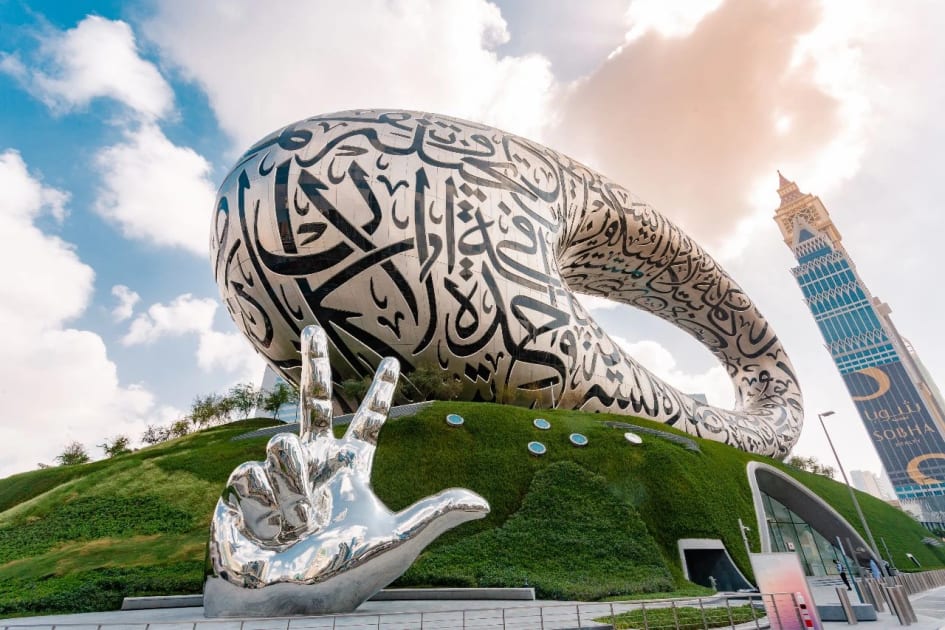
When you market a cultural space, you quickly realise you cannot treat it like standard retail. A museum blends public education, heritage, and entertainment, which changes how you speak to visitors. It shifts the entire focus of museum marketing, where community value matters far more than a simple sales pitch. You can see how this works in practice through bkrY's pop-up at the Museum of the Future in Dubai.
Umami DMCC led the project, building an experiential space directly connected to the museum's focus on innovation and sustainability. It gave bkrY a direct line to visitors while supporting the venue's wider public remit.
The Museum of the Future treats innovation and sustainability as core pillars. Across the UAE, expectations are shifting, and companies face growing pressure to bring environmental standards into everyday operations.
Campaign Overview
The activation itself was built around a stone mill-inspired maze, putting sustainable baking and regenerative design front and centre. Using the Museum of the Future grounded the concept, matching bkrY's focus on sustainable methods with a venue built around future-facing ideas.
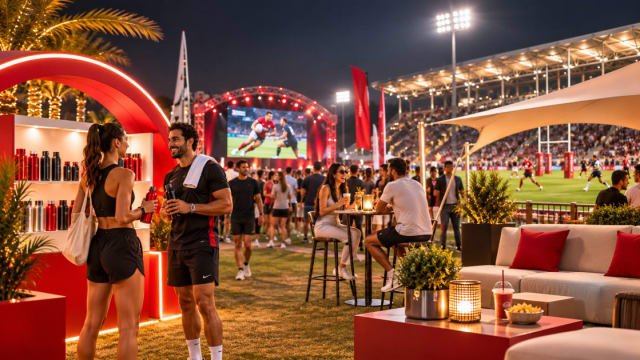
Experiential campaigns work because people tend to remember what they do far longer than what they read on a screen. According to Statista, experiential marketing spending continues to climb worldwide, as more businesses recognise that physical interaction leaves an impression a digital banner cannot match.
Strategic Approach
The approach paired hands-on design with the museum's themes, speaking directly to people who follow sustainable living, food, and design. Every message pointed back to regenerative production methods in the baking trade.
Reaching an audience means knowing what they value before they walk through the door. In this case, the activation focused on people interested in food, design, and sustainable living, a group already open to discussions about responsible production. Narrowing the focus made the experience feel deliberate, which usually builds far more genuine loyalty than a broad campaign ever could.
Results & Impact
bkrY has not published exact visitor numbers for the campaign, but the press coverage and public reception made the response obvious. People engaged with the space, and the focus on regenerative design sat naturally with the crowd walking through the Museum of the Future.
Physical interactions often generate stronger recall and longer engagement times than traditional ads. As Think with Google notes, immersive activations create lasting impressions and connect brands directly with their audiences.
Lessons for UAE Businesses
A few practical principles emerge from this activation for businesses planning their own campaigns:
- Talk honestly about sustainability and responsibility. People living here notice, and they expect companies to take environmental impact seriously as the market expands.
- Work with respected institutions and established events. The UAE has plenty of them, and teaming up gives your message credibility while placing you in front of their visitors.
- Build physical, interactive experiences instead of standard ads. Letting people touch, see and take part brings them closer to what your brand stands for.
🎯 Key Takeaways
- Museum Marketing demands a different mindset, built around the venue's place in the city, its educational purpose and its cultural weight.
- Experiential setups give people a direct reason to interact with what you stand for.
- Putting sustainability and social responsibility front and centre speaks directly to conscious customers across the UAE.
Frequently Asked Questions
What is experiential marketing, and how can it benefit my business?
Experiential marketing brings people into direct, interactive spaces where they experience what your company stands for firsthand. It lifts brand awareness, gets people talking, and builds genuine customer loyalty over time.
How can I incorporate sustainability into my marketing strategy?
Talk about what you actually do on the ground. Share how you cut waste, highlight products or services made responsibly, and keep your community posted on the changes you make. People trust the details, especially when you are honest about the work involved.
Sources & References
- The Museum of the Future - Official Website
- Statista - Experiential Marketing Industry Report
- Think with Google - Experiential Marketing Insights
- Umami Campaigns - bkry x Museum of the Future
Methodology: This article synthesizes information from industry reports, platform documentation, and our agency's direct experience managing digital campaigns in the UAE and GCC region.
Get Started with Experiential Marketing
By incorporating experiential marketing into your strategy, you can create lasting impressions and foster deep connections with your audience. Contact us to learn more about how Red Dot Marketing can help you develop an effective experiential marketing campaign.
Get Free Consultation