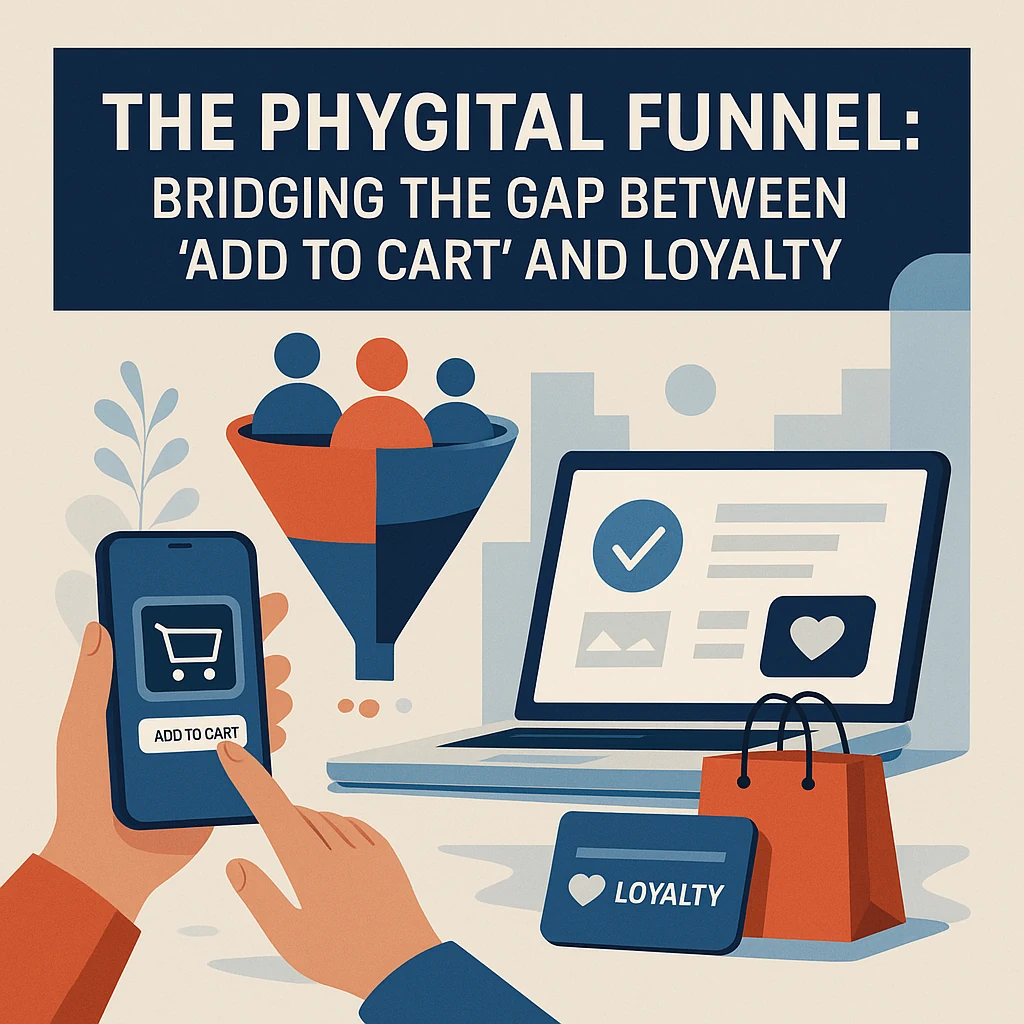
The Phygital Funnel: Bridging the Gap Between "Add to Cart" and Loyalty
The "Amazon Effect" in the Middle East has significantly raised the bar for e-commerce businesses. Consumers in the GCC region are among the most digitally savvy and demanding in the world. They expect the speed and efficiency of Amazon combined with the personalized, high-end service associated with luxury brands. If your online store is clunky, slow, impersonal, or doesn't offer the payment options they prefer, they will quickly abandon it for a competitor.
The Evolution of Consumer Expectations
A recent study by Statista found that the e-commerce penetration rate in the UAE is over 80%, significantly higher than the global average Statista, 2022. This means a vast majority of the population is already comfortable shopping online, and their expectations are constantly evolving. They're not just looking for products; they're looking for seamless, enjoyable, and trustworthy experiences.
To meet these expectations, businesses must prioritize a deep understanding of their customers' needs and preferences. This involves collecting and analyzing data on customer behavior, preferences, and pain points. By doing so, businesses can create targeted marketing campaigns, personalized product recommendations, and streamlined checkout processes that cater to their customers' unique needs.
Friction is the Enemy
We often audit e-commerce sites where the marketing is excellent – driving traffic and generating interest – but the User Experience (UX) is fundamentally flawed, actively killing sales. It's like pouring water into a leaky bucket. All your acquisition efforts are wasted if the customer journey is riddled with obstacles.
Checkout Friction
One of the biggest culprits is checkout friction. This refers to anything that makes it difficult or time-consuming for a customer to complete a purchase. Common examples include:
- Excessive Information Requests: Are you asking for more information than you absolutely need? Requiring customers to create an account before purchasing, asking for unnecessary address details, or demanding phone numbers can all lead to cart abandonment. Streamline the process by allowing guest checkout and only asking for essential details.
- Limited Payment Options: Do you offer the payment methods preferred by your target audience? In the GCC, this means offering options like Apple Pay for mobile convenience, and buy-now-pay-later (BNPL) services like Tabby and Tamara. These services are incredibly popular in the region, allowing customers to spread payments over time, making purchases more accessible. Not offering these options can be a significant deterrent. For example, many UAE residents prefer to use credit cards with rewards programs, so ensure those are easily accepted.
- Complicated Forms: Long, confusing forms with unclear instructions are a recipe for disaster. Use clear labels, provide helpful tooltips, and break down complex information into smaller, manageable steps.
Mobile First
In the Middle East, mobile devices are the primary way people access the internet. Over 80% of your website traffic likely comes from smartphones and tablets Hootsuite, 2022. If your site isn't designed with a "mobile-first" approach – meaning it's optimized for small screens and touch interactions – you're essentially alienating a huge portion of your potential customer base and losing revenue.
A mobile-first approach involves designing your website and checkout process with mobile users in mind. This includes using responsive design, simplifying navigation, and optimizing images and content for smaller screens. By doing so, businesses can ensure a seamless user experience, increase conversion rates, and drive customer satisfaction.
The Secret Weapon: Automated Retention
Many product companies make the mistake of focusing almost exclusively on acquiring new customers, allocating 90% (or more!) of their marketing budget to this endeavor. While acquisition is important, the smartest and most profitable companies understand the power of customer retention. It's significantly cheaper to retain an existing customer than to acquire a new one. Focusing on retention builds loyalty and generates repeat business.
"It costs five times more to attract a new customer than to keep an existing one." - Bain & Company Bain & Company, 2019
SMS Marketing
In the UAE, SMS marketing is exceptionally effective. Unlike email, which can often get lost in crowded inboxes, SMS messages have an incredibly high open rate – often exceeding 98% GSMA, 2020. This makes it a powerful tool for communicating time-sensitive offers, flash sales, and important updates.
- Flash Sales & Limited-Time Offers: Use SMS to announce exclusive flash sales or limited-time offers to your subscribers. The immediacy of SMS encourages quick action.
- Order Updates & Shipping Notifications: Keep customers informed about the status of their orders with real-time SMS updates. This builds trust and reduces anxiety.
- Personalized Recommendations: Use SMS to send personalized product recommendations based on a customer's past purchases or browsing history.
Email Flows
While SMS is great for immediate communication, email is still a vital tool for building relationships and nurturing customers over time. The "Abandoned Cart" email is a standard in e-commerce, but it's just the tip of the iceberg. There are many other automated email flows you can use to improve retention and drive sales.
- Post-Purchase Thank You Email: A simple "thank you" email after a purchase can go a long way in building goodwill. Include information about shipping, care instructions, or related products.
- Replenishment Reminder Email: For products that are regularly consumed (e.g., skincare, supplements, pet food), send automated reminders when it's time to reorder. This is a great way to generate repeat business.
- Welcome Email Series: Don't just send one welcome email. Create a series of emails that introduce your brand, showcase your products, and offer exclusive discounts to new subscribers.
- Loyalty Program Emails: If you have a loyalty program, use email to keep members informed about their points balance, upcoming rewards, and exclusive offers.
Red Dot's Approach
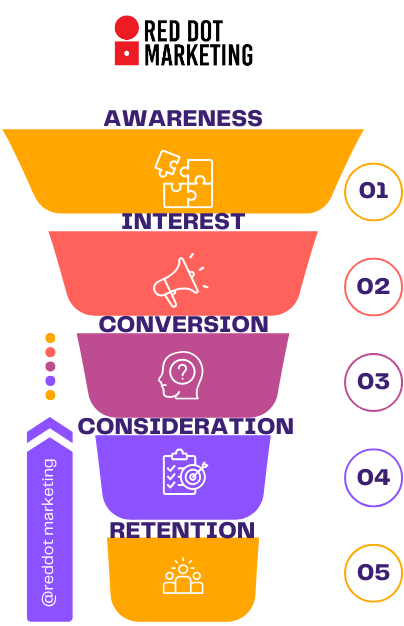
At Red Dot, we don't just focus on individual elements of your e-commerce strategy. We build Full Funnel Systems. We take a holistic view of the entire customer journey, from the first ad impression to the unboxing experience and beyond. We analyze every touchpoint and identify opportunities to improve the customer experience, increase conversion rates, and build long-term loyalty.
Why Customer Retention Matters
Customer retention is critical for e-commerce businesses in the GCC region. According to a report by Accenture, 73% of consumers in the Middle East are more likely to recommend a brand to their friends and family if they have a positive experience Accenture, 2020. This highlights the importance of focusing on retention and building long-term relationships with customers.
Actionable Tips and Takeaways
Conclusion
The "Amazon Effect" has raised the bar for e-commerce businesses in the GCC region. To succeed, retailers must adapt to the changing expectations of consumers and focus on building a seamless customer experience. By prioritizing retention and building long-term relationships with customers, businesses can generate repeat business and increase revenue.
Optimize Your E-commerce Funnel
Frequently Asked Questions
What is the "Amazon Effect" in the Middle East?
The "Amazon Effect" refers to the changing expectations of consumers in the Middle East, who now demand the speed and efficiency of Amazon combined with the personalized, high-end service associated with luxury brands.
How can I reduce checkout friction on my e-commerce site?
To reduce checkout friction, streamline the process by allowing guest checkout, offer preferred payment options, and simplify forms with clear labels and helpful tooltips.
Why is mobile optimization crucial for e-commerce businesses in the GCC region?
Mobile optimization is crucial because over 80% of website traffic in the GCC region comes from smartphones and tablets. A mobile-first approach ensures a seamless user experience, increasing conversion rates and customer satisfaction.
Sources & References
- Statista - Digital Market Outlook
- Bain & Company - Customer Retention Is Key to Profitable Growth
- Accenture - Consumer Pulse 2020
- Hootsuite - Digital 2022: October Global Digital Insights
- GSMA - Mobile Economy Middle East 2020
Methodology: This article synthesizes information from industry reports, platform documentation, and our agency's direct experience managing digital campaigns in the UAE and GCC region.
Ready to Optimize Your E-commerce Funnel?
At Red Dot, we're committed to helping e-commerce businesses in the Middle East succeed. Our team of experts can help you build a full funnel system, optimize your website for mobile devices, and improve customer retention through automated email flows and personalized recommendations.
Get Free ConsultationLast reviewed: March 2024. This article is regularly updated to reflect the latest industry developments and platform changes.