Quick answer
Brands shape youth culture at events like Sole DXB by using experiential marketing to connect with consumers directly. Instead of traditional ads, companies offer interactive installations, workshops, and artist collaborations that let young adults test products in person. This tactile approach earns loyalty, sparks social discussion, and drives post event sales.
- The Event Marketing Institute found 72% of consumers become repeat customers after brand experiences.
- Forrester found that experiential activations can lift brand loyalty by up to 25%.
- Deloitte reports 75% of consumers are more likely to trust brands offering educational content.
- Econsultancy found 61% of marketers view experiential marketing as more effective than traditional advertising.
Campaign Analysis: How Brands Are Shaping Youth Culture Through Events Like Sole DXB
Campaign Overview
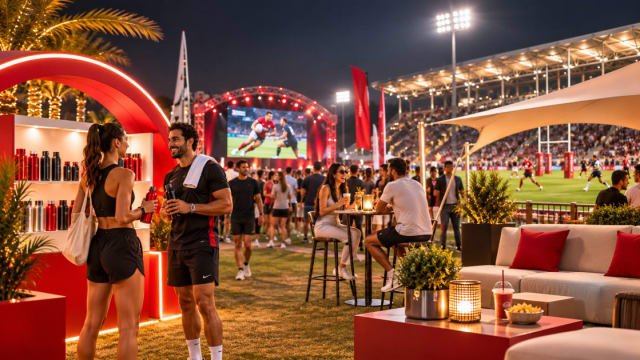
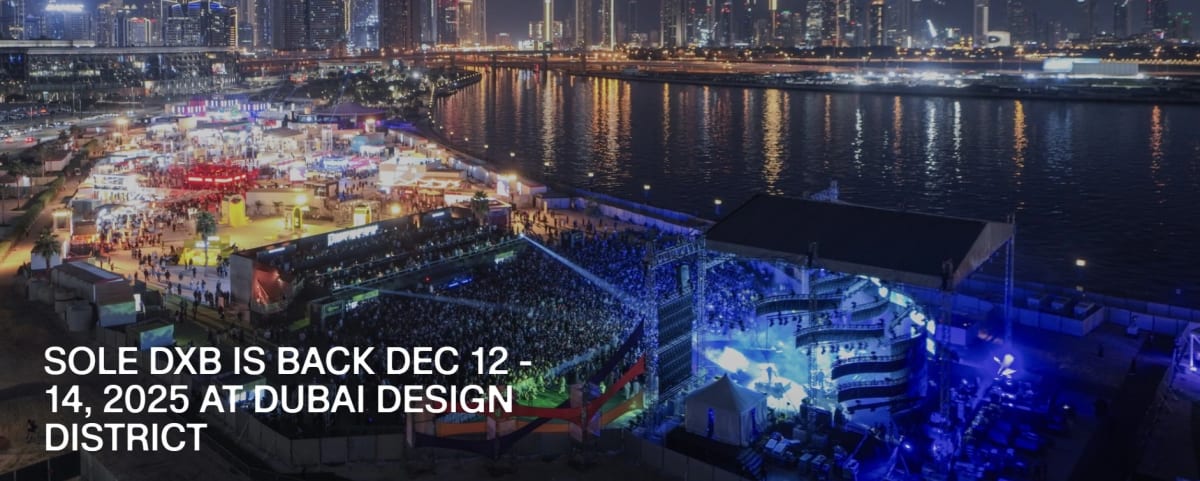
Sole DXB brings sneakerheads, music fans, and art lovers together in Dubai once a year. It has become a natural gathering place where brands speak directly to the region's youth and show what they make. Many take part to build awareness, meet people face to face, and put their products on display. That aligns with a broader pattern across the UAE and the GCC, where events and experiences carry genuine weight with consumers, drawing an increasing share of marketing budgets toward physical spaces.
Understanding the Target Audience
The event works because of its audience: young adults invested in streetwear, music, and art. This group carries real influence across the UAE and the GCC, backed by healthy disposable income and an eye for fresh releases. In a YouGov survey, 71% of young adults in the UAE described themselves as fashion-conscious. Being on the ground gives a brand direct access to that crowd, building loyalty through experiences shaped around what these visitors actually care about.
Strategic Approach
The strategic approach at Sole DXB centres on that same youth audience. The venue allows teams to establish familiarity and leave a memory that lasts longer than a digital impression. Messaging tends to drop corporate phrasing, leaning instead into personal style, creativity, and community. Beyond the physical floor, brands roll out social media campaigns with creators to build momentum before the gates open.
Experiential Marketing
What sets this apart is the reliance on Experiential Marketing. Rather than running standard ads, brands give people physical spaces to touch, test, and explore. Commercial figures explain why budgets flow here. A study by the Event Marketing Institute found that 72% of consumers are more likely to become repeat customers after taking part in an event or brand experience. Research from Forrester also showed that experiential activations can lift brand loyalty by up to 25%.
Key Tactics & Execution
At Sole DXB, brands rely on distinct executions: practical workshops, masterclasses, physical spaces, and creative partnerships with local and international artists or musicians to produce exclusive drops. A fashion label might partner with a regional artist on a limited run designed specifically for the weekend. The aim is to share craft and insight rather than push stock. Figures from Deloitte show that 75% of consumers are more likely to trust a brand that provides educational content.
Partnering with Influencers
Collaborating with creators gives brands an immediate entry point into specific subcultures at Sole DXB. Rather than broadcasting a broad campaign, working alongside respected figures allows brands to co-create exclusive product drops and focused activations. Because these creators hold genuine credibility within their communities, their involvement tends to steer conversation and foot traffic far better than display ads. Research from Tomoson showed that 51% of marketers find influencer campaigns more effective than traditional advertising, which explains why creator partnerships sit at the centre of successful Experiential Marketing executions here.
As Dubai Holding, a key partner of Sole DXB, pointed out: "The event has become a platform for creatives and entrepreneurs to showcase their talents, and for brands to connect with the region's youth and showcase their products and services." (Dubai Holding, 2020)
Results & Impact
Sole DXB has grown steadily in both crowd size and community reach, drawing thousands of visitors each edition alongside consistent international and local press coverage. Participating brands frequently report clear spikes in awareness and direct product sales once the weekend wraps up. While organizers keep exact commercial totals private, broader benchmarks across major cultural festivals suggest brand recall and recognition can rise by as much as 50% following focused physical activations.
Measuring Success
Gauging the return on events like Sole DXB means looking past footfall alone. A report from the Event Marketing Institute notes that the clearest read on an event combines quantitative and qualitative data, balancing on-site surveys, social listening, and direct sales figures. Evaluating the numbers alongside qualitative community feedback gives marketing teams a realistic view of what actually moved the needle. Figures from Forrester show that 71% of marketers rely on analytics to review event performance, underlining the need to ground Experiential Marketing in real business metrics.
As noted by PwC Middle East, "Events like Sole DXB provide a unique opportunity for brands to connect with their target audience and create memorable experiences that drive engagement and conversions." (PwC Middle East, 2020)
Lessons for UAE Businesses
Regional businesses can borrow from this model by putting budget into Experiential Marketing that gives people something physical to explore. That might mean showing up at community gatherings that share your point of view, designing stands where visitors can handle products directly, or coordinating with creators so the moment travels beyond the venue floor. The appetite for this shift is clear: research from Econsultancy found that 61% of marketers view experiential marketing as more effective than traditional ad formats.
Creating Engaging Experiences
Creating engaging experiences starts with knowing who is walking through the door. Research in the Harvard Business Review points to emotional and social elements over plain utility if you want people to stay involved. That means interactive setups, running practical workshops, or bringing in artists and creators for original work on the ground. McKinsey noted that companies focusing directly on customer experience see a 20-30% increase in customer satisfaction.
Expert Perspective
Sole DXB shows how Experiential Marketing builds real brand awareness and keeps people coming back. Brands get closer to their audience by letting them take part in something tangible. Across Dubai and the wider UAE, local businesses can borrow that playbook directly.
As WPP and the other big agency groups have found, people remember what they did far more than what they were shown.
To see how we approach Experiential Marketing for brands across the region, take a look at the Red Dot Marketing website.
You can see what the festival is planning next directly on the Sole DXB website.
Photo credit: sole.digital