Quick answer
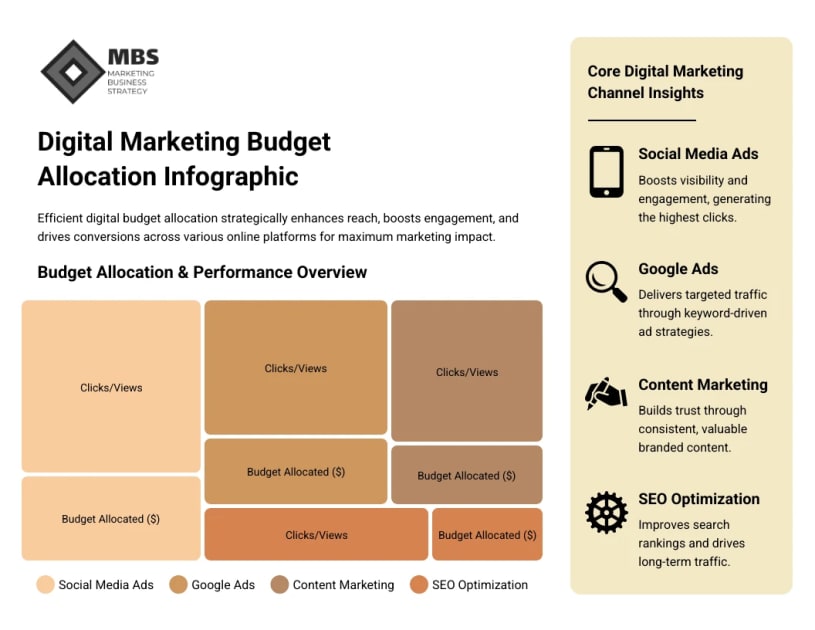
To build a flexible digital marketing budget for a mid-scale GCC company, split your spend using a 60:30:10 rule. Allocate 60% to proven performance channels, 30% to long-term strategic growth, and 10% to testing new platforms. Adjust your spending around regional calendar shifts like Ramadan, the summer slowdown, and Eid.
- Put 60% into proven performance channels like Google Ads and Meta Ads for measurable returns.
- Invest 30% into long-term assets like content creation and technical SEO to protect your pipeline.
- Reserve 10% for pure testing on emerging platforms like TikTok to spot new channels early.
- Shift spending heavily around regional periods like Ramadan, the summer slowdown, and National Day.
Mid-scale companies across the GCC often find themselves in an awkward budget trap. You have outgrown ad-hoc tactics, yet you cannot write open-ended cheques either. The finance team needs reliable quarterly numbers, but marketing still needs enough freedom to jump on shifts across regional markets. Locking down a rigid plan misses sudden opportunities, while unstructured spending quickly eats through cash. Dividing your total Digital Marketing Budget through a 60:30:10 rule gives you that balance.
MarketingProfs notes that teams allocating spend with clear discipline see stronger conversion rates and higher overall revenue. Directing the clear majority of resources into established, predictable channels protects baseline sales and maintains a steady flow of qualified inquiries.
1. Core Performance (The Engine)
Start with what reliably works today. Allocate 60% of your budget to channels that already show clear, trackable returns. This serves as your daily engine for customer acquisition. The focus remains squarely on direct performance marketing, where campaigns must prove their worth through a sustainable Return on Ad Spend and realistic Cost Per Acquisition targets.
-
Dedicated to Proven Channels: Focus on platforms like Google Ads (Search and Shopping), Meta Ads (Facebook and Instagram), and high-conversion SEO content. These channels have established best practices and offer robust tracking and analytics. For instance, a UAE-based e-commerce company selling abayas might allocate the majority of this 60% to Google Shopping Ads targeting specific keywords like "luxury abayas Dubai" and Facebook Ads targeting women interested in modest fashion within the UAE and Saudi Arabia.
Example: They would also invest in SEO content optimized for these search terms, such as blog posts about the latest abaya fashion trends or guides on how to style abayas for different occasions.
-
Goal: Consistent, Measurable Short-Term ROI: The primary objective here is to achieve a positive Return on Ad Spend (ROAS) and a manageable Cost Per Acquisition (CPA). Track these metrics meticulously and optimize your campaigns continuously to improve performance. This can be achieved by implementing conversion tracking and attribution modeling to understand which campaigns and keywords are driving the most valuable conversions.
Actionable Tip: Regularly A/B test ad copy, landing pages, and targeting options to improve your ROAS. For example, testing different images of abayas on Facebook Ads could significantly impact click-through rates and conversions. Additionally, consider using lookalike targeting to reach new audiences that resemble your existing customers.
2. Strategic Growth (The Investment)
This portion of your budget is dedicated to building long-term assets that will generate sustainable growth over time. Think of this as investing in your "moat", the things that make your business defensible and valuable in the long run. This includes brand building activities, high-quality content creation (blog posts, videos, infographics), and technical SEO improvements.
Research from the Content Marketing Institute shows that consistent investment in content builds measurably higher brand awareness and customer retention. That 30% allocation keeps your organic presence working when paid media rates surge.
-
Dedicated to Long-Term Assets: This includes creating high-quality, engaging content that resonates with your target audience. For instance, a real estate developer in Dubai might invest in creating high-quality video tours of their properties, publishing informative blog posts about the Dubai real estate market, and optimizing their website for relevant keywords like "luxury apartments Dubai Marina."
Example: They might also sponsor local events to increase brand visibility and partner with influencers to promote their properties to a wider audience.
-
Goal: Increasing CLV, Domain Authority, and Organic Traffic: The goal here is to attract and retain customers over the long term. A strong brand, valuable content, and a well-optimized website will attract more organic traffic, generate more leads, and ultimately increase your Customer Lifetime Value (CLV).
Actionable Tip: Conduct keyword research to identify the topics and search terms that your target audience is using. Create high-quality content that addresses their needs and provides valuable information. Build backlinks from reputable websites to increase your domain authority. For instance, a construction firm in Qatar could create content around "sustainable building practices in Qatar" and secure backlinks from industry publications.
3. Innovation & Testing (The Lab)
Keep the remaining 10% strictly for experiments. Use this budget to evaluate newer platforms, fresh formats, and emerging tools ahead of competitors. That could mean running trials on TikTok, exploring Connected TV, designing an AR filter, working with smaller niche creators, or testing new AI workflows. Several tests will produce little return, but that deliberate loss is simply the cost of finding your next stable performer.
Hootsuite found that companies putting money into social media ads see direct gains in brand awareness and customer engagement. Reserving 10% for genuine experiments lets you evaluate fresh placements before rising competition makes them expensive.
-
Dedicated to Experimental Channels: This could include testing new ad formats, such as video ads or carousel ads, or exploring new social media platforms like Snapchat or Pinterest. For instance, a restaurant chain in Saudi Arabia might experiment with TikTok marketing, creating engaging videos that showcase their menu items and restaurant ambiance.
Example: They might also test using AI-powered chatbots to handle customer inquiries and reservations. Or, they could partner with local food influencers to create sponsored content.
-
Goal: Discovering the Next Low-Cost Acquisition Channel: The goal here is to identify channels that offer a high return on investment early on. Not every experiment will be successful, but the ones that are can provide a significant competitive advantage.
Actionable Tip: Set clear objectives and track your results carefully. Don't be afraid to cut your losses if an experiment isn't working. Focus on the channels that show the most promise and scale them up quickly. For example, if a small test campaign on Snapchat generates a surprisingly high number of leads, consider increasing your budget and expanding your targeting options.
Budgeting for the GCC Calendar
Commercial rhythms in the Gulf move heavily with the regional calendar. Spreading ad spend evenly through Ramadan, the summer dip, Eid al-Fitr, or National Day wastes budget during quiet spells and leaves you short of capital when regional buyer intent actually spikes.
-
Ramadan Peak: Ramadan is a crucial period for marketing in the GCC. Consumer spending typically increases significantly, particularly on food, gifts, and entertainment. This is the time to significantly increase your budget for social media and video advertising to reach consumers during their downtime.
Example: Many brands create special Ramadan-themed campaigns with content centered around family, generosity, and tradition. For instance, a telecom company might offer special data packages for families to stay connected during Ramadan, and promote these offers heavily on social media.
-
Summer Slowdown: During the hot summer months, many residents travel abroad, and consumer activity slows down. Instead of wasting your ad budget on campaigns that are unlikely to generate results, re-allocate it to long-term asset creation. Focus on creating high-quality content, improving your SEO, conducting website audits, and planning for the upcoming peak seasons.
Actionable Tip: Use this time to conduct keyword research, write blog posts, create videos, and optimize your website for search engines. This will help you build a strong foundation for future growth. Additionally, consider offering special summer promotions or discounts to keep your customers engaged.
-
Holiday Seasons (EID/National Day): EID al-Fitr, EID al-Adha, and National Day (e.g., UAE National Day) are all important holidays in the GCC. Allocate budget for local, event-specific campaigns that resonate with the cultural significance of these holidays.
Example: Retailers often offer special discounts and promotions during these holidays. Banks might offer special financing options for car purchases during National Day. Tailor your messaging to reflect the spirit of the holiday and connect with consumers on an emotional level.
🎯 Key Takeaways
- Divide your digital marketing budget with the 60:30:10 framework to protect immediate returns while testing what comes next.
- Balance your resources across core performance, long-term brand equity, and small experiments instead of leaning entirely on short-term paid volume.
- Align monthly spending directly with GCC commercial seasons, accounting for Ramadan, the summer dip, and National Day.
Frequently Asked Questions
What is the 60:30:10 rule in digital marketing?
It divides your digital marketing budget into three distinct jobs: 60% stays with proven, core performance channels, 30% funds strategic growth, and the remaining 10% goes toward testing unproven tactics.
How do I account for the GCC calendar in my digital marketing budget?
Redistribute your spend to match the rhythm of the regional calendar, planning around Ramadan, the quieter summer months, Eid al-Fitr, and National Day.
What is the goal of innovation & testing in digital marketing?
The goal is finding your next efficient customer acquisition route before competitors pile in, alongside trying newer platforms and ad formats while attention remains relatively cheap.
Sources & References
- MarketingProfs - Industry Reports
- Content Marketing Institute - Content Marketing Research
- Hootsuite - Social Media Advertising Reports
Methodology: This article synthesizes information from industry reports, platform documentation, and our agency's direct experience managing digital campaigns in the UAE and GCC region.
Get a Custom Budget Roadmap for Your Firm
If you would like a second opinion on how your budget is split, we are happy to look at it with you.
Get Free Consultation