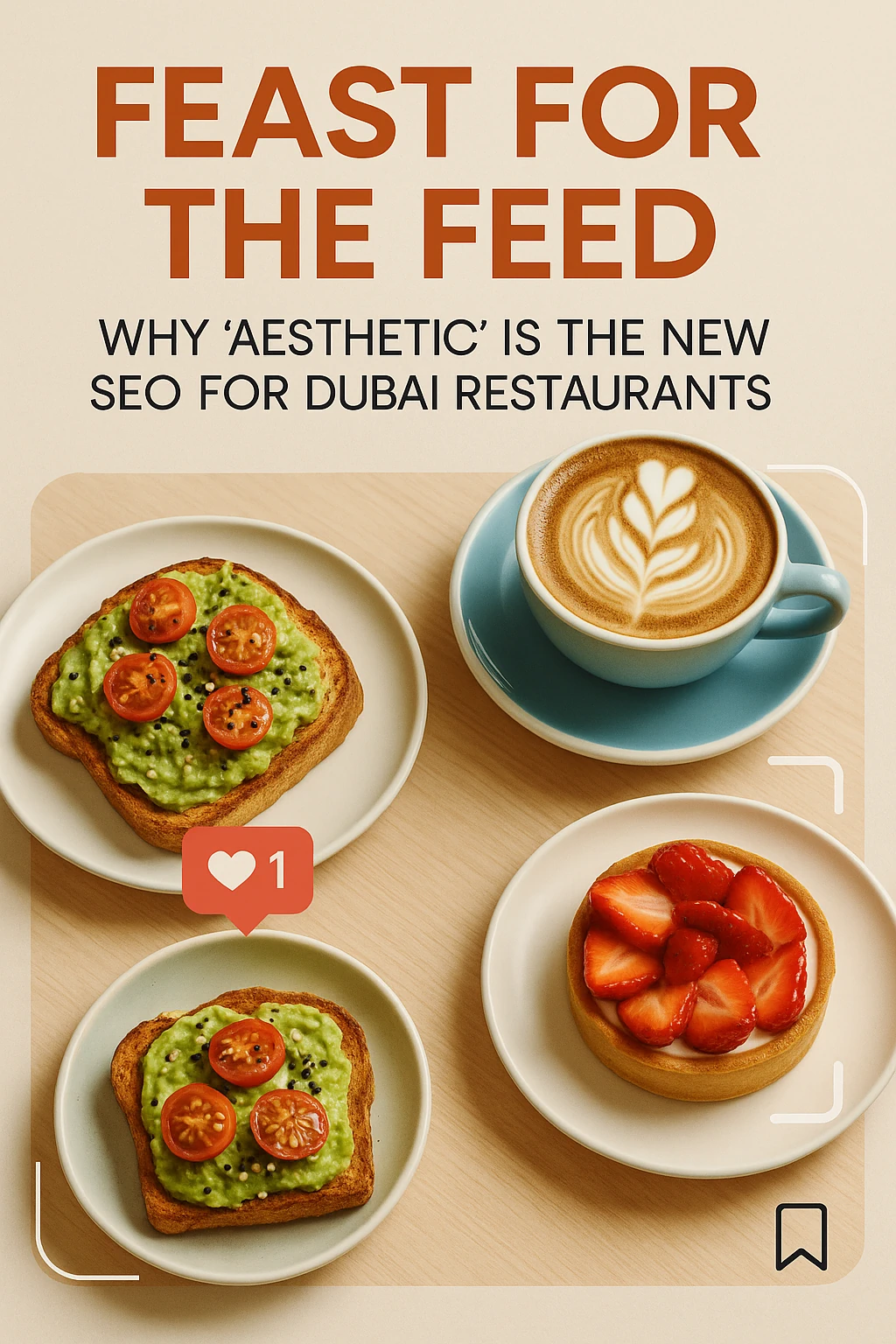
Feast for the Feed: Why "Aesthetic" is the New SEO for Dubai Restaurants
In Dubai's competitive culinary landscape, the customer journey rarely begins at your host desk. It starts online, most likely on Instagram, TikTok, or even Google Maps. Think of your digital presence as the "first impression" handshake. If a potential diner searches for your restaurant and finds dark, grainy photos, a dormant profile, or generic stock images, they're likely to assume the food and overall experience are equally uninspired. First impressions matter, and in the age of social media, your digital presence is your storefront.
For the F&B sector, Content is Revenue. It's not just about pretty pictures; it's about creating a visual narrative that compels potential customers to choose your restaurant over the dozens of others vying for their attention. According to DataReportal's 2024 Digital Report, the average person spends around 2 hours and 25 minutes on social media per day, providing a vast opportunity for restaurants to showcase their brand and cuisine.
The "Vibe" Economy
Your food might be Michelin-star quality, crafted with the finest ingredients and impeccable technique. However, in today's "vibe" economy, if it isn't visually appealing and "shareable," you are missing out on the most powerful marketing channel available: User Generated Content (UGC). UGC acts as social proof, lending credibility and authenticity to your brand. People trust recommendations from their peers far more than traditional advertising. As Think with Google suggests, consumers are more likely to engage with a brand that has a strong visual identity.
Optimizing for Shareability: Actionable Tips
-
Lighting is Everything: Your interior design and your plating need to be meticulously optimized for the phone camera. Consider warm, flattering lighting that enhances the colors and textures of your dishes. Avoid harsh overhead lighting that can create unflattering shadows. Think about incorporating natural light where possible. Example: Restaurants like LPM Dubai are masters of this, using strategic lighting to create a vibrant and inviting atmosphere that translates beautifully in photos and videos.
-
Video > Static: A static photo of a burger is nice, but it's easily overlooked. A high-res, slow-motion Reel of that burger being sliced, showcasing the juicy patty, melting cheese, and perfectly toasted bun? That stops the scroll. Video content is far more engaging and allows you to tell a more compelling story. Tip: Experiment with different video formats, such as time-lapses of food preparation, behind-the-scenes glimpses of your kitchen, or quick tutorials on how to make a signature cocktail.
-
The "Google Maps" Factor: Don't underestimate the importance of your Google My Business (GMB) profile. It's often the first place people search for restaurants in their area. High-quality, professional photography on your GMB profile can drive up to 40% of footfall. This includes showcasing not only your food but also your ambiance, interior, and even happy customers. Example: A study by Google found that businesses with photos receive 42% more requests for directions on Google Maps and 35% more clicks through to their website.
Moving Beyond "Yum"
At Red Dot, we’ve worked with numerous F&B brands to transform their menus into viral content assets. It’s not just about taking pretty pictures; it’s about crafting a compelling narrative that resonates with your target audience. Consumers are increasingly seeking authentic experiences and want to connect with brands on a deeper level. As noted by Statista, the demand for experiential dining is on the rise, with 75% of millennials preferring to spend their money on experiences over material goods.
Crafting Your Brand Story
-
Highlight the Chef: Showcase the talent and passion behind your culinary creations. Share their story, their inspirations, and their unique approach to cooking. A chef's story adds a human element to your brand and makes it more relatable. Example: Many restaurants in the UAE are now highlighting their chefs' backgrounds and culinary journeys on their websites and social media channels, adding a personal touch to the dining experience.
-
Trace the Ingredients: Where do your ingredients come from? Are you sourcing locally? Are you using sustainable practices? Transparency is highly valued by today's consumers. Sharing the story behind your ingredients adds value and demonstrates your commitment to quality. Example: Restaurants that partner with local farms in the UAE often highlight this collaboration in their marketing materials, emphasizing their commitment to supporting local agriculture and providing fresh, seasonal ingredients.
-
Define the "Feeling": What is the overall ambiance and atmosphere of your restaurant? What kind of experience do you want your diners to have? Use your content to convey the "feeling" of dining with you. This could be anything from a romantic and intimate setting to a lively and social atmosphere. Example: Consider the difference between a fine-dining restaurant with live music and a casual beachside cafe. Each offers a distinct "feeling" that should be reflected in their content.
Authenticity Wins
Stop relying on generic stock photos that lack personality and fail to capture the essence of your brand. Invest in a professional content shoot that authentically captures the soul of your venue. This includes showcasing your food, your ambiance, your staff, and even your happy customers. When you align your digital presence with your physical experience, you don't just acquire customers—you cultivate loyal fans who will return time and time again and advocate for your brand. As HubSpot notes, authentic content is key to building trust with your audience.
Takeaway: Customers can spot inauthenticity a mile away. By investing in genuine content that reflects your brand's unique personality, you build trust and credibility, ultimately driving more business.
🎯 Key Takeaways
- Invest in high-quality, authentic content that showcases your restaurant's unique personality and aesthetic.
- Optimize your content for shareability by using good lighting, video, and showcasing your food and ambiance in an appealing way.
- Craft a compelling narrative that resonates with your target audience and highlights your brand's story and values.
Frequently Asked Questions
What is the most important factor in creating a strong online presence for a restaurant?
The most important factor is creating high-quality, authentic content that showcases your restaurant's unique personality and aesthetic.
How can I optimize my restaurant's content for shareability?
Use good lighting, video, and showcase your food and ambiance in an appealing way. Experiment with different formats and styles to find what works best for your brand.
What is the role of User Generated Content (UGC) in restaurant marketing?
UGC acts as social proof, lending credibility and authenticity to your brand. It's a powerful marketing channel that can drive engagement and conversions.
Sources & References
- DataReportal - 2024 Digital Report
- Think with Google - Consumer Insights
- Statista - Digital Market Outlook
- HubSpot - State of Marketing Report
Methodology: This article synthesizes information from industry reports, platform documentation, and our agency's direct experience managing digital campaigns in the UAE and GCC region.
Get Started with Your Restaurant's Digital Transformation
Let us help you create a compelling online presence that drives footfall and revenue. Contact us today to learn more about our services and expertise.
Get Free ConsultationLast reviewed: March 2024. This article is regularly updated to reflect the latest industry developments and platform changes.